


Mapartex Insights
Buyer education, technical guidance, product discovery, supplier outreach, and affiliate-friendly product recommendations


Buying Equipment, Machinery, and Parts from the United States.
Part 6.
How to Choose the Right Customs Broker when Importing Heavy Equipment
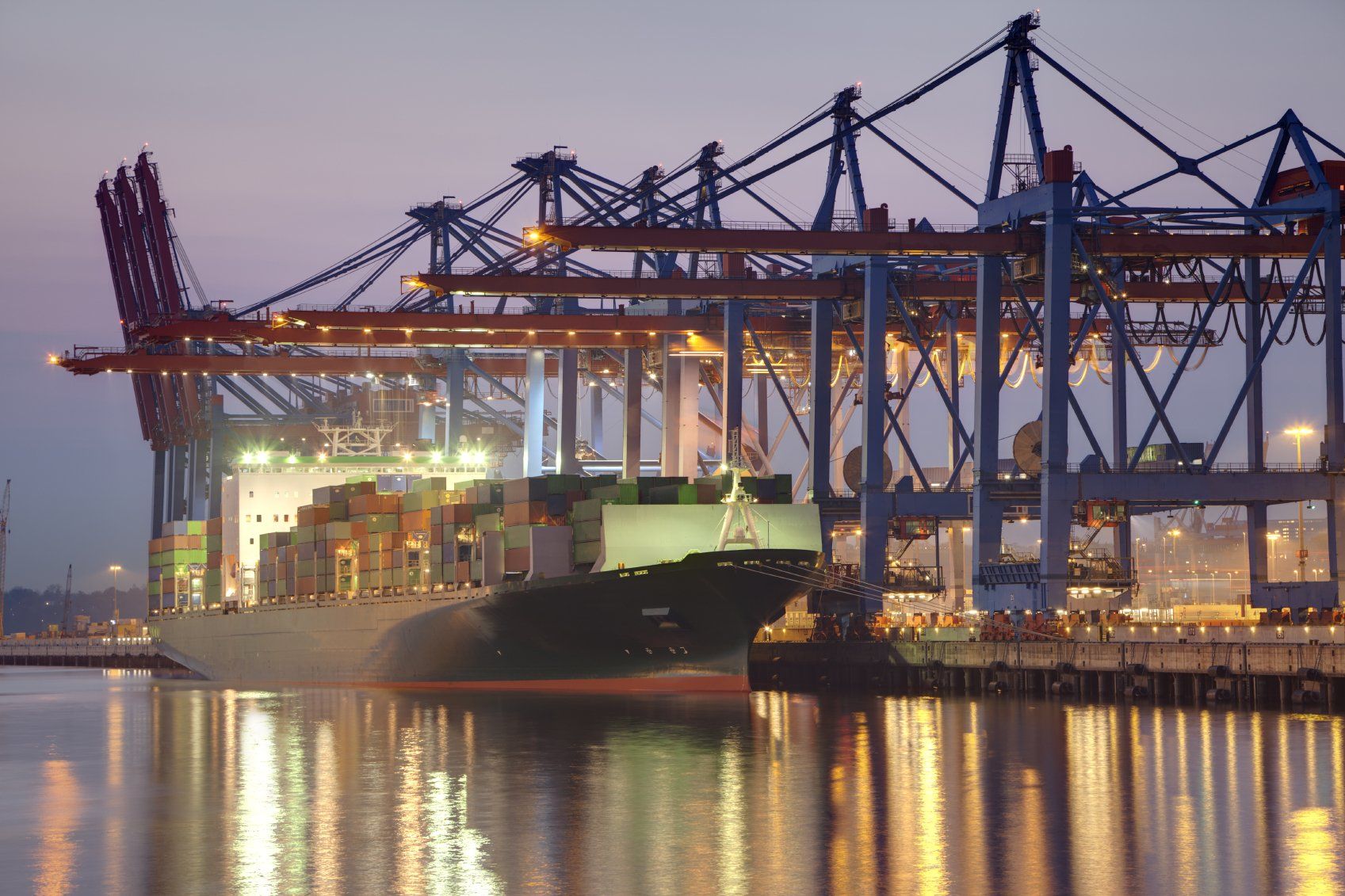
Importing heavy machinery, commercial utility trucks, or specialized equipment across international borders requires far more than standard freight logistics. One missing document or incorrect Harmonized Tariff Schedule (HTS) classification can result in costly port delays, unexpected demurrage fees, or severe regulatory fines.
To ensure a seamless cross-border shipping process, partnering with a qualified, licensed **Customs Broker** is essential. Below is an essential guide on what a customs broker does, why they are vital to your fleet investments, and a comprehensive checklist for selecting the right partner.
What Is a Licensed Customs Broker?
A Customs Broker is a licensed individual or professional corporation certified to assist international traders in complying with federal import and export regulations.
Because international trade laws and tariff schedules are highly complex, customs brokers serve as crucial intermediaries between importers and government regulatory agencies (such as U.S. Customs and Border Protection). Their primary objective is to guarantee fast, compliant, and hassle-free **customs clearance** at ports of entry.
Core Responsibilities of a Customs Broker:
- Documentation Management: Reviewing and submitting essential trade paperwork, including Commercial Invoices, Packing Lists, and Certificates of Origin.
- HTS Code Classification: Accurately classifying machinery (such as used bucket trucks, digger derricks, or boom lifts) under the correct Harmonized Tariff Schedule code to ensure exact tariff calculations.
- Duty & Tax Calculation: Verifying that all applicable duties, taxes, and import tariffs are accurately computed and remitted.
- Regulatory Representation: Acting on behalf of the importer of record during port inspections and regulatory audits.
Important Risk Factor:
Customs brokers operate under joint and several liability with the importer of record. Any misclassification or compliance error can lead to shared legal liability, making it vital to choose a broker with a proven track record.
Why Heavy Equipment Importers Cannot Risk Skipping a Broker
Customs bottlenecks are among the most common and expensive obstacles in international machinery procurement. Operating without an experienced customs broker exposes your business to:
1. Storage & Demurrage Penalties: Prolonged holding times at ocean ports or border crossings due to incomplete paperwork.
2. Customs Audits & Fines: Substantial financial penalties for improper tariff classification or valuation errors.
3. Operational Downtime: Project delays caused by hold-ups in receiving essential utility trucks and machinery.
A skilled broker handles critical logistics tasks—such as coordinating origin/destination data, supplier verifications, and clearance scheduling—to ensure your fleet arrives on site without unnecessary delays. By partnering with trusted, verified customs brokers and upholding strict compliance standards, Mapartex ensures that your imported utility trucks and heavy machinery arrive safely, legally, and on schedule.
Key Factors to Consider When Selecting a Customs Broker
Because the market is filled with customs brokerage firms, selecting the right partner requires careful evaluation. Consider these key criteria before hiring:
1. Industry-Specific Expertise: Ensure the broker has direct experience handling heavy equipment, commercial vehicles, and industrial machinery.
2. Corporate Reliability: Opt for an established brokerage firm rather than an independent sole practitioner to ensure continuous coverage and resource availability.
3. Licensing & Authorization: Confirm that the firm holds valid, active customs credentials in the destination country.
Client Reviews & Industry References: Request testimonials from other international fleet operators or equipment importers.
7 Essential Questions to Ask Your Customs Broker
Use this printable evaluation checklist during your vendor discovery calls to assess a broker's technical capability and reliability:
1. Do you have specific experience clearing heavy equipment and utility machinery? Verify if they understand regulatory requirements from secondary government agencies.
2. What entry preparation system do you use? Do they utilize an automated, multi-tiered digital system or rely on a single account manager?
3. How does your team stay updated on changing trade regulations? Ensure they conduct regular staff training on updated tariff rates and compliance policies.
4. How do you double-check HTS classifications and equipment valuations? Confirm their internal quality assurance process to prevent last-minute customs delays.
5. How are proactive updates handled for my team? Do they systematically cross-reference documents to eliminate errors before submission?
6. Do you coordinate directly with freight carriers, port operators, and drayage truckers? Verify that they actively manage the handoff process to avoid storage expenses.
7. What is your protocol if a compliance error or delay occurs? Look for full transparency, accountability, and a clear resolution plan.
The Mapartex Commitment to Seamless Global Delivery
At
Mapartex, customer satisfaction drives our entire operational workflow—from equipment sourcing and technical inspection to international shipping and vendor selection.
We maintain rigorous standards when partnering with customs brokers for international shipments. While human error can occur in complex global logistics, true professionalism lies in taking immediate accountability, correcting errors rapidly, and protecting the customer’s investment.
What’s Next: A Step-by-Step Guide to Safe Equipment Sourcing
Over this multi-part series, we will unpack the international equipment buying process and show you how to protect your investment:
- Part 1: The Hidden Risks. Whether you operate a growing utility fleet, manage a construction company, or source machinery to resell or rent, acquiring heavy equipment and replacement.
- Part 2: Common Importer Mistakes: The hidden traps in cross-border equipment sourcing and how to avoid them.
- Part 3: The Ideal Equipment Buying Process: Overcoming challenges in international shipping, customs, and technical validation.
- Part 4: Choosing the Ideal Supplier: Selecting the ideal supplier could be considered the most delicate and decisive task for the success of the transaction.
- Part 5: The Anatomy of a Safe Transaction: What a fair, secure buy-sell agreement looks like for both importers and exporters.
- Part 6: The Proven Mapartex Standard: How we perfected our global sales, inspection, and parts-sourcing network to build decades of trust with international buyers.
Need Help Sourcing Reliable Heavy Equipment or Parts?
At Mapartex, we bridge the gap between global buyers and verified US utility equipment, offering inspected bucket trucks, cranes, digger derricks, and hard-to-find legacy replacement parts.
- Explore our physically verified inventory: Mapartex Equipment & Parts Stock
- Need a hard-to-find component? Try our Global Equipment & Parts Locator Service.
Author: Mapartex Insights
More Posts of this Series


