


Mapartex Insights
Buyer education, technical guidance, product discovery, supplier outreach, and affiliate-friendly product recommendations


How to Start a Tree Trimming & Tree Care LLC:
A Complete Contractor Guide

Introduction
Starting an independent business in the tree care, tree trimming, and arboriculture industry offers immense financial potential and technical independence. However, operating heavy machinery, climbing at severe heights, and handling high-voltage proximity work carry significant operational risks. Forming a Limited Liability Company (LLC) is the single most critical structural decision an arboricultural contractor can make to safeguard personal assets while establishing professional authority in the market.
1. Core Advantages of Operating as an LLC in Tree Care
The tree care industry is inherently hazardous. Choosing an LLC business structure over a sole proprietorship provides two foundational benefits:
Personal Asset Protection:
Separates personal wealth (house, savings, personal vehicles) from business liabilities. If an unexpected equipment failure or tree felling accident occurs, your personal assets remain protected behind the corporate veil.
Enhanced Client Trust:
Municipalities, commercial facility managers, and high-value residential clients rarely contract with unorganized individual operators. Operating as an LLC instantly establishes commercial legitimacy.
2. Tax Benefits & Financial Flexibility
An LLC structure offers unmatched tax advantages for equipment-heavy businesses:
Pass-Through Taxation:
By default, LLCs benefit from pass-through taxation, avoiding corporate double taxation. Profits flow directly to owner tax returns.
Section 179 & Depreciation Tax Write-Offs:
Commercial tree care requires heavy capital outlays. Under Section 179 and accelerated depreciation rules, businesses can write off significant portions of major equipment purchases—such as used bucket trucks, wood chippers, and digger derricks—in the year of purchase.
Write-Off Operational Expenses:
Fuel, safety gear, hydraulic repairs, replacement parts, insurance premiums, and marketing expenses are 100% tax-deductible operational costs.
3. Customer Impression & Commercial Credibility
In competitive regional markets, professional presentation directly drives contract conversion rates. Operating under a registered LLC name reassures clients that you maintain structural compliance, carry required commercial liability coverage, and treat tree care as a professional enterprise rather than informal day-labor.
4. Step-by-Step LLC Setup Guideline
Failing to install or properly maintain dielectric bucket liners can expose organizations to significant operational, financial, and legal risks.
Step 1: Business Naming & Registration:
Select a distinct business name containing 'LLC' or 'Limited Liability Company' that is clear and recognizable.
Step 2: Articles of Organization:
File Articles of Organization with your local state or regional business authority and appoint an official Registered Agent.
Step 3: IRS EIN & Banking:
Obtain a Federal Employer Identification Number (EIN) from the IRS for tax filing, payroll, and opening commercial banking accounts.
Step 4: Operating Agreement:
Draft an internal Operating Agreement outlining ownership percentages, decision-making powers, and profit distributions.
5. Equipment Requirements & Initial Capital Investment
Starting a tree care service requires careful capital allocation across specialized machinery, safety gear, and operational reserves. Sourcing reliable pre-owned commercial equipment is essential to keeping startup costs manageable without compromising safety.
💡 Mapartex Equipment Sourcing Advantage
Acquiring brand-new aerial lift trucks or digger derricks can require $150,000–$250,000+ in initial capital. Sourcing certified used bucket trucks, reconditioned aerial lifts, and verified hydraulic machinery through trusted suppliers like Mapartex allows new contractors to cut capital outlay by up to 60% while maintaining enterprise-grade field performance.
Estimated Startup Capital Breakdown
- LLC Formation & Legal Fees: $1,000 – $2,500 (Articles of organization, state fees, licenses, legal setup)
- Essential Equipment & Machinery: $25,000 – $65,000 (Pre-owned bucket truck or aerial boom truck, wood chipper, heavy trailer)
- Safety Equipment & Tools: $3,000 – $6,000 (Commercial chainsaws, rigging ropes, friction brakes, climbing harnesses, helmets, chaps)
- Initial Insurance & Surety Bonds: $4,000 – $10,000 annually (General liability, commercial auto, workers' compensation down payment)
- Initial Marketing & Branding: $1,500 – $4,000 (Vehicle graphics, digital website, localized local SEO, printed flyers)
6. Essential Insurance, Surety Bonds, and Safety Protocols
Risk mitigation is the backbone of a successful tree trimming enterprise:
General Liability Insurance:
Minimum $1M–$2M coverage protecting against property damage (e.g., fallen branches on structures) or third-party bodily injuries.
Commercial Auto Insurance:
Covers specialized utility vehicles, bucket trucks, and equipment transport trailers on public roadways.
Workers' Compensation:
Mandatory protection for ground crews, climbers, and equipment operators against workplace injuries.
Surety Bonds:
Many municipal contracts and commercial property groups require a $10,000–$50,000 surety bond to guarantee project completion.
Safety Standards:
Strict adherence to OSHA and ANSI Z133 standards for arboricultural operations, including mandatory personal protective equipment (PPE), drop-zone tagging, and electrical hazard awareness.
7. Marketing Strategies for New Tree Care Contractors
Local SEO & Digital Presence:
Build a high-converting website detailing services, safety certifications, emergency storm response, and customer reviews.
Google Business Optimization:
Optimize Google Business Profile for localized searches ('tree trimming near me', 'emergency tree removal').
Strategic Commercial Partnerships:
- ·
Establish B2B referral partnerships with local utility managers, real estate agencies, property management firms, and landscape contractors.
Recommended Reading for Independent Arborists & Contractors
Building a thriving tree care company requires balancing field safety with business management. Beyond acquiring the right machinery and establishing your LLC, continuous learning is key to scaling safely. Below are eight top-rated books recommended by industry experts to help you master legal setup, equipment financing, local marketing, and crew safety. Mapartex may earn from qualifying purchases made through the links below, at no additional cost to you.

Form Your Own Limited Liability Company: Create An LLC in Any State

Profit First: Transform Your Business from a Cash-Eating Monster to a Money-Making Machine

They Ask, You Answer: A Revolutionary Approach to Inbound Sales, Content Marketing, and Today's Digital Consumer

The E-Myth Revisited: Why Most Small Businesses Don't Work and What to Do About It
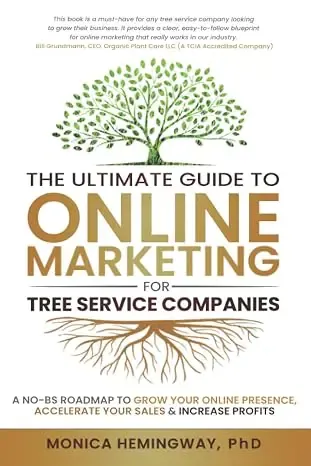
The Ultimate Guide to Online Marketing for Tree Service Companies

The Art Of Legal Tax Avoidance: Reduce Your Tax Bill By 50-100% With Sophisticated IRS-Approved Strategies, Just Like the Billionaires

Nolo’s Start Your Own LLC
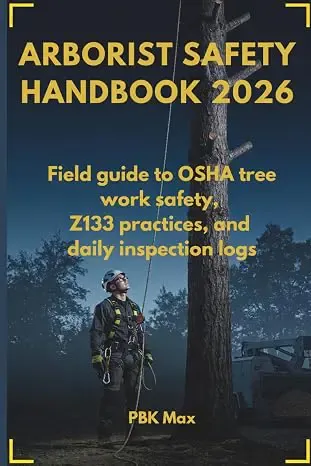
Arborist Safety Handbook 2026: Field guide to OSHA tree work safety, Z133 practices, and daily inspection logs
Need Help Sourcing Reliable Heavy Equipment or Parts?
At Mapartex, we bridge the gap between global buyers and verified US utility equipment, offering inspected bucket trucks, cranes, digger derricks, and hard-to-find legacy replacement parts.
- Explore our inventory: Mapartex Solutions Stock
- Need a hard-to-find component? Try our Global Equipment & Parts Locator Service.
Author: Mapartex Insights


