Mapartex Insights
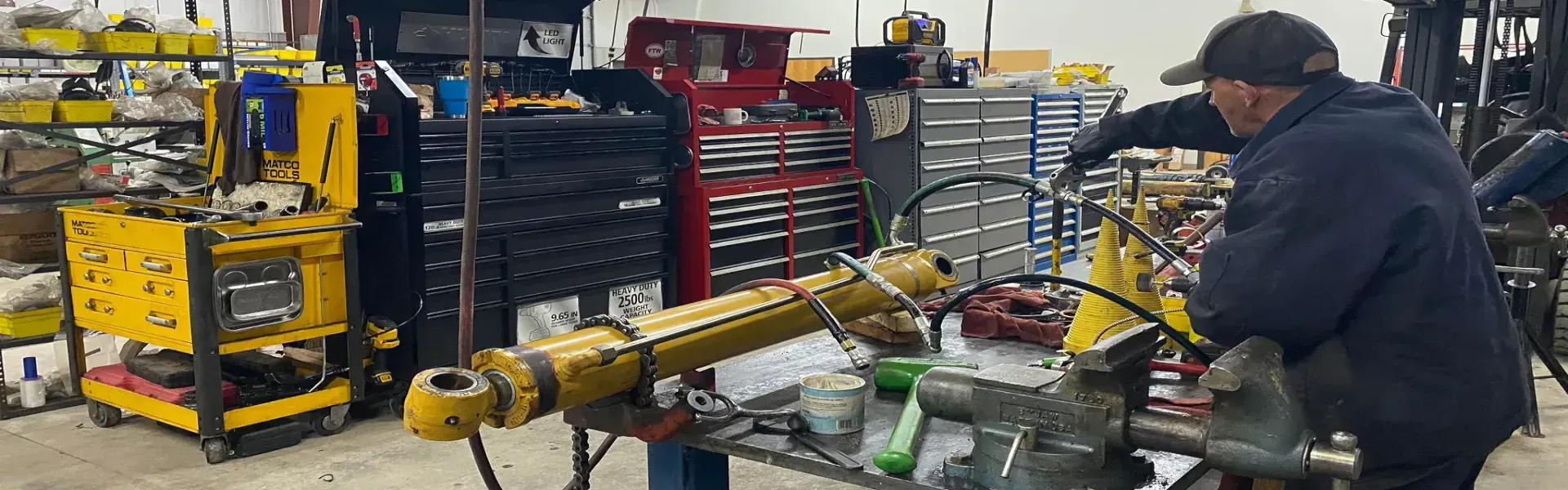
We don’t write from theory. We write from the shop, the yard, and the job site—based on product testing, field use, and direct customer feedback.
Buyer education, technical guidance, product discovery, supplier outreach, and affiliate-friendly product recommendations
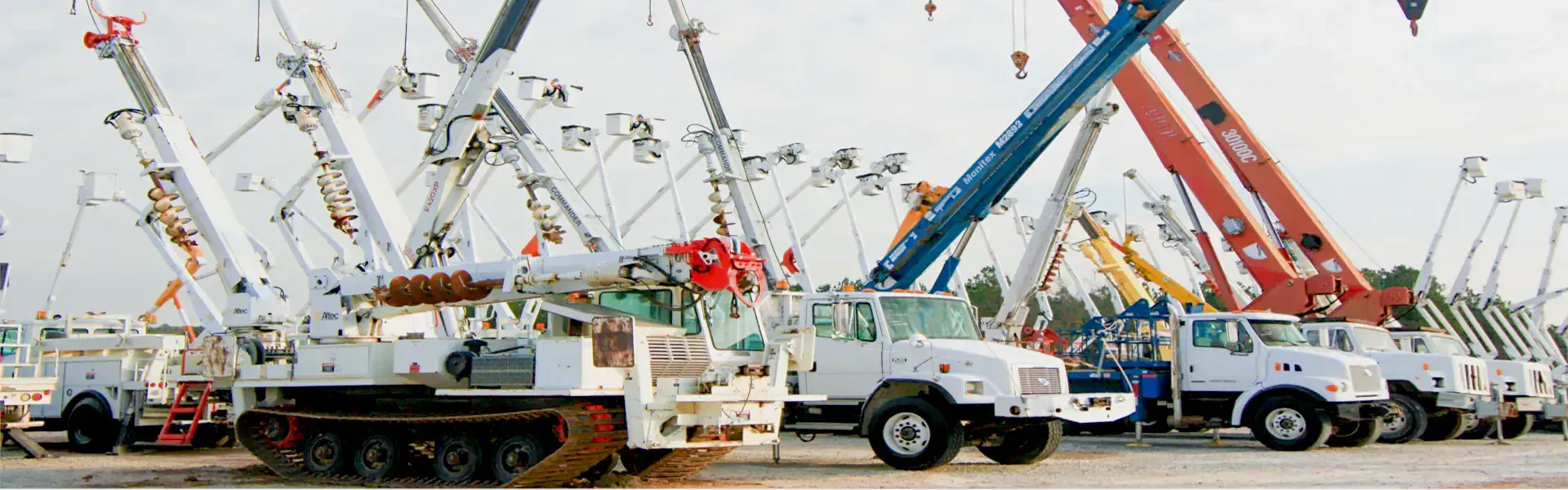


Buying Equipment, Machinery, and Parts from the United States.
Part 1.
The Hidden Risks of Importing Heavy Equipment & Spare Parts (And How to Avoid Them)
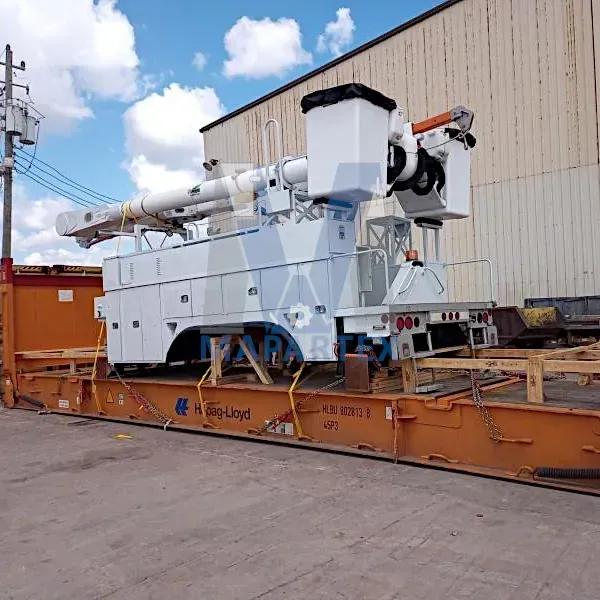
Whether you operate a growing utility fleet, manage a construction company, or source machinery to resell or rent, acquiring heavy equipment and replacement parts is essential to keeping your business alive. Without equipment, parts, and fluid financial transactions, no industrial business can function.
However, purchasing high-ticket assets—like used bucket trucks, digger derricks, cranes, and specialized hydraulic spare parts—comes with serious operational and financial risks. When equipment directly impacts the safety of your operators and crew on the job site, ensuring a high level of reliability isn't just good business—it’s a matter of life and death.
Below, we examine the risks of international machinery sourcing and how to navigate cross-border transactions safely.
The Comfort of Local Equipment Purchases
There’s a reason most fleet managers and contractors prefer buying machinery locally:
- Physical Verification: You can inspect, test-drive, and physically evaluate the equipment before spending a single dollar.
- Established Trust: You are negotiating with local dealers or contacts you already know.
- Low Risk: If you negotiate a great deal on a good machine, you can celebrate a clear win for your bottom line.
Unfortunately, local markets don't always have what you need. When local options fall short, you are often forced to look overseas.
Importing Machinery from the USA: The Price vs. Risk Dilemma
What happens when you need specialized machinery—such as an unmounted boom lift, custom aerial device, or obsolete hydraulic component—that simply isn't available in your local market?
Or what if you realize you can save significant capital by importing directly from the United States?
For many international importers, the primary goal quickly becomes finding the lowest price. But sourcing equipment internationally introduces anxiety and heightened risks that can easily turn a "cheap deal" into a disastrous loss:
Buying a $500 computer online is not the same as importing a $50,000 bucket boom truck or crane that requires trained operators and strict life-saving safety standards.
When importing across borders, simple oversights—like failing to verify hydraulic pressures, ignoring structural integrity, or mismanaging customs clearance—can lead to catastrophic financial damage or compromised equipment on site.
What’s Next: A Step-by-Step Guide to Safe Equipment Sourcing
Over this multi-part series, we will unpack the international equipment buying process and show you how to protect your investment:
- Part 2: Common Importer Mistakes: The hidden traps in cross-border equipment sourcing and how to avoid them.
- Part 3: Navigating Risk & Logistics: Overcoming challenges in international shipping, customs, and technical validation.
- Part 5: The Anatomy of a Safe Transaction: What a fair, secure buy-sell agreement looks like for both importers and exporters.
- Part 6: The Proven Mapartex Standard: How we perfected our global sales, inspection, and parts-sourcing network to build decades of trust with international buyers.
Need Help Sourcing Reliable Heavy Equipment or Parts?
At Mapartex, we bridge the gap between global buyers and verified US utility equipment, offering inspected bucket trucks, cranes, digger derricks, and hard-to-find legacy replacement parts.
- Explore our physically verified inventory: Mapartex Equipment & Parts Stock
- Need a hard-to-find component? Try our Global Equipment & Parts Locator Service.
Author: Mapartex Insights

Featured Insights